


Bezpečnostné informácie pre batérie
Batérie uchovávajte mimo dosahu detí. Používajte iba v súlade s určením výrobku a pokynmi výrobcu zariadenia. Použité batérie odovzdávajte na miestach určených na spätný odber batérií a akumulátorov. Nevyhadzujte batérie do komunálneho odpadu.
Upozornenie: Všetky batérie a akumulátory AlzaPower sú určené iba na použitie v súlade s ich určením. Nedodržanie bezpečnostných pokynov môže viesť k poškodeniu zariadenia, úrazu, požiaru, smrti alebo iným škodám. Vždy postupujte podľa pokynov výrobcu zariadenia aj batérie.
Alkalické batérie (AA, AAA, C, D, 9V)
Bezpečnostné pokyny
- Nevkladajte batérie s opačnou polaritou (+/-).
- Nekombinujte nové a použité batérie.
- Nekombinujte rôzne značky, typy ani kapacity batérií.
- Nepokúšajte sa alkalické batérie nabíjať.
- Nevystavujte ohňu, vysokým teplotám ani nespaľujte.
- Batérie nerozoberajte, neprepichujte.
- Zabráňte skratu kontaktov batérie.
- Ak zariadenie nebudete dlhšiu dobu používať, batérie vyberte.
- V prípade vytečenia elektrolytu zabráňte kontaktu s pokožkou, očami a odevom.
- Pri kontakte s vytečeným elektrolytom ihneď opláchnite postihnuté miesto (pokožku alebo oči) veľkým množstvom vody v priebehu najmenej 15 minút a vyhľadajte lekársku pomoc.
Skladovanie
- Skladujte v suchom a chladnom prostredí.
- Chráňte pred priamym slnečným žiarením.
- Uchovávajte v originálnom balení až do použitia.
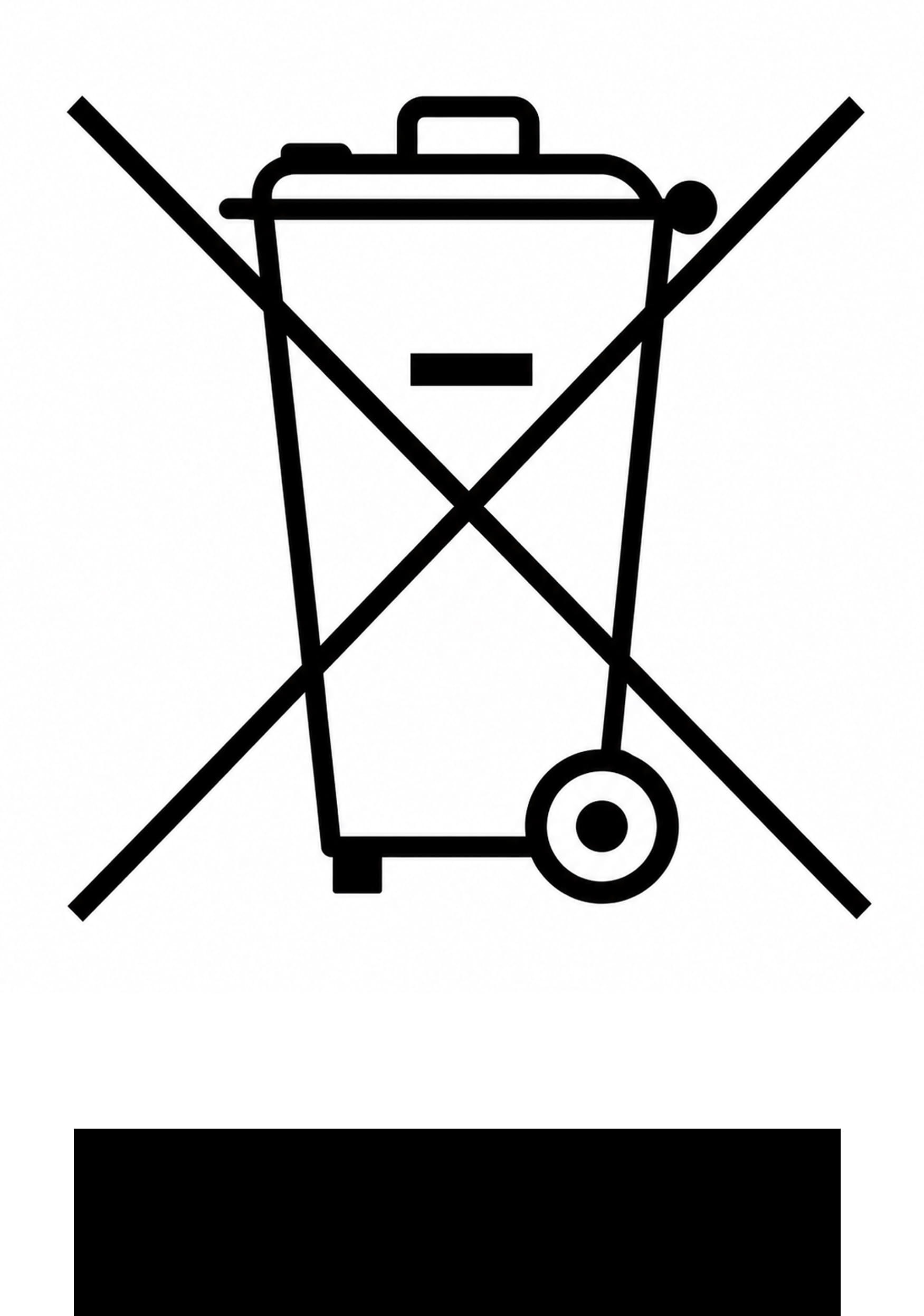
Likvidácia
- Nevyhadzujte do zmiešaného odpadu.
- Odovzdávajte do zberných miest určených pre batérie.
Nabíjacie NiMH batérie (AA, AAA, C, D, 9V)
Bezpečnostné pokyny
- Nabíjajte iba nabíjačkou určenou pre NiMH akumulátory.
- Dodržujte pokyny výrobcu nabíjačky.
- Nepoužívajte poškodené alebo deformované batérie.
- Nerozoberajte, neprepichujte ani nespaľujte.
- Nevystavujte vysokým teplotám ani otvorenému ohňu.
- Zabráňte skratu kontaktov.
- Nekombinujte nabité a vybité batérie.
- Nekombinujte rôzne kapacity, značky ani typy akumulátorov.
- Nenechávajte batérie nabíjať bez dozoru ani cez noc.
- Nevhadzujte do ohňa.
Skladovanie
- Skladujte čiastočne nabité.
- Skladujte na suchom mieste pri izbovej teplote.
- Pri dlhodobom skladovaní odporúčame pravidelnú kontrolu stavu nabitia.
Likvidácia
- Akumulátory odovzdávajte na zberných miestach určených pre batérie a akumulátory.
Lítiové primárne batérie (CR123A, CR2 a ďalšie nenabíjacie lítiové batérie)
Bezpečnostné pokyny
- Nepokúšajte sa batérie nabíjať.
- Nerozoberajte, neprepichujte, nestláčajte ani nedeformujte.
- Nevystavujte teplotám nad 60 °C, ohňu ani nespaľujte.
- Neskratujte kontakty.
- Nepoužívajte poškodené batérie.
- V prípade prehriatia alebo deformácie batériu ďalej nepoužívajte.
- Nevystavujte vode ani iným kvapalinám.
Riziko požiaru
- Lítiové batérie môžu pri nesprávnom používaní spôsobiť požiar, výbuch alebo únik nebezpečných látok.
Skladovanie
- Uchovávajte v originálnom obale.
- Chráňte pred kovovými predmetmi.
- Skladujte mimo zdroja tepla.
- Skladujte ideálne pri teplote 10 – 25 °C.
Likvidácia
- Nevhadzujte do ohňa.
- Odovzdávajte na miestach spätného odberu.
Lítiové gombíkové batérie (CR2032, CR2025, CR2016 a ďalšie)
DÔLEŽITÉ VAROVANIE
- Gombíkové batérie sú nebezpečné pri prehltnutí.
- Prehltnutie môže počas krátkej doby spôsobiť vážne vnútorné poranenia, chemické popáleniny, perforáciu tkanív alebo smrť.
- Núdzový kontakt: V Slovenskej republike volajte Toxikologické informačné centrum: +421 2 5477 4166 alebo tiesňovú linku 155.
Bezpečnostné pokyny
- Uchovávajte nové aj použité batérie mimo dosahu detí.
- Zaistite, aby bol priestor pre batériu v zariadení vždy bezpečne uzavretý.
- Ak sa domnievate, že dieťa prehltlo batériu alebo si ju vložilo do inej časti tela, okamžite vyhľadajte lekársku pomoc.
- Nepokúšajte sa batérie nabíjať.
- Nevystavujte ohňu, vysokým teplotám ani nespaľujte.
- Zabráňte skratu kontaktov.
Likvidácia
- Použité batérie neukladajte voľne prístupné deťom.
- Odovzdávajte do zberných miest.
Alkalické gombíkové batérie (LR44, AG13, LR41 a ďalšie)
DÔLEŽITÉ VAROVANIE
- Gombíkové batérie predstavujú vážne riziko pri prehltnutí.
- Pri prehltnutí môže dôjsť k závažným zdravotným komplikáciám alebo úmrtiu.
- Núdzový kontakt: V Slovenskej republike volajte Toxikologické informačné centrum: +421 2 5477 4166 alebo tiesňovú linku 155.
Bezpečnostné pokyny
- Uchovávajte mimo dosahu detí.
- Pravidelne kontrolujte uzavretie batériového priestoru zariadenia.
- Nekombinujte rôzne typy batérií.
- Nenabíjajte.
- Nevystavujte ohňu, vysokým teplotám ani nespaľujte.
- Zabráňte skratu kontaktov.
Likvidácia
- Odovzdávajte do miest spätného odberu batérií.
Nabíjacie Li-Ion batérie (18650, 21700 a ďalšie nabíjacie lítium-iónové články)
- Menovitá kapacita jednotlivých článkov je uvedená na obale produktu v jednotkách Wh.
- Núdzový kontakt: V Slovenskej republike volajte Toxikologické informačné centrum: +421 2 5477 4166 alebo tiesňovú linku 155.
Bezpečnostné pokyny
- Nabíjajte iba nabíjačkami určenými pre Li-Ion batérie.
- Používajte iba kompatibilné zariadenia.
- Nepoužívajte poškodené, nafúknuté alebo deformované články.
- Nerozoberajte, neprerážajte ani nestláčajte batérie.
- Nevystavujte batérie vode ani vysokej vlhkosti.
- Nevystavujte teplotám nad 60 °C.
- Nevystavujte ohňu, vysokým teplotám ani nespaľujte.
- Zabráňte skratu kontaktov.
- Nepoužívajte batériu, ak vykazuje známky prehrievania, zápachu, úniku kvapaliny alebo deformácie.
- Pri kontakte s vytečeným elektrolytom ihneď opláchnite pokožku alebo oči veľkým množstvom vody najmenej 15 minút a vyhľadajte lekársku pomoc.
Riziko požiaru a tepelného úniku
- Nesprávne používanie lítium-iónových batérií môže viesť k prehriatiu, požiaru, výbuchu alebo úniku nebezpečných látok.
Nabíjanie
- Používajte iba odporúčané nabíjacie zariadenie.
- Nenechávajte batérie počas nabíjania bez dozoru.
- Nepoužívajte poškodené nabíjačky ani káble.
Skladovanie
- Odporúčaný stav nabitia na dlhodobé skladovanie je približne 30 – 60 % kapacity.
- Skladujte na chladnom a suchom mieste.
- Chráňte kontakty pred dotykom kovových predmetov.
Likvidácia
- Nevhadzujte do komunálneho odpadu.
- Nevhadzujte do ohňa.
- Odovzdávajte na miesta určené na spätný odber batérií a akumulátorov.
Dátum poslednej aktualizácie: 1.7.2026