


ASUS PRIME GeForce RTX 5080 16G

Graphics Card - 16GB GDDR7 (30000MHz), NVIDIA GeForce Blackwell (GB203, 2295 MHz), Boost 2640 MHz, PCI Express x16 5.0, 256Bit, DisplayPort 2.1b and HDMI 2.1b, width 304 mm
Show full description
Shop faster with pickup at AlzaBox or in-store.
Add to list
Warranty 36 months
Code:
ECr5080st3a
Producer's Website:
- Reviews 1
- Help and manuals
- Specifications
- Photos & Videos 12
- Alternatives 6
- Accessories and suggested products

ASUS PRIME GeForce RTX 5080 16G
Price has not been set
Currently Unavailable
ASUS PRIME GeForce RTX 5080 16G

ASUS PRIME GeForce RTX 5080 16G
The ASUS PRIME GeForce RTX 5080 16G graphics card is built on the NVIDIA Blackwell architecture and has 16GB of GDDR7 memory running at 30GHz. The card uses a GB203 chip with a base clock of 2295MHz and a Boost clock of 2640MHz. It connects via a 256-bit PCI Express 5.0 bus and features DisplayPort 2.1b and HDMI 2.1b outputs. It includes DLSS 4.0 technology for AI-powered rendering and streaming multiprocessors optimised for neural shaders.

GDDR7 / 16GB
VRAM
PCIe 5.0 x16
Bus interface
1x 16-pin
Supplementary power
Blackwell
Chip architecture
850W
Recommended PSU wattage
Key features of the ASUS PRIME GeForce RTX 5080 16G graphics card
- NVIDIA Blackwell architecture with fifth-generation Tensor Cores and fourth-generation Ray Tracing Cores for AI performance, full ray tracing, and neural rendering
- 16GB of GDDR7 memory providing ample capacity and speed for demanding game titles, ray tracing, and AI applications
- DLSS 4.0 with Multi Frame Generation and NVIDIA Reflex 2 with Frame Warp to improve gaming performance with AI-enhanced graphics, higher frame rates, and minimal latency
- Dual BIOS for switching between Performance and Quiet modes, depending on your preference for lower temperatures or quieter fan operation
- Phase-change GPU thermal pad and MaxContact technology to increase thermal conductivity by 5% and optimise heat dissipation for a long lifespan
- Dual ball fan bearings and a vented backplate with large vents to ensure improved heat dissipation during intensive tasks

Cooling and design
A trio of fans for airflow and a vapour chamber guarantee effective cooling. The Prime RTX 5080 card has a 2.5-slot design with a clear layout of the shroud, heatsink, and heat pipes, allowing the three Axial-tech fans to use the chassis side panel ventilation for optimal cooling performance. The three proven Axial-tech fans feature a smaller hub that facilitates longer blades and a barrier ring that pushes air downwards, resulting in lower temperatures, less noise, and higher performance.

Thermal solution and operating characteristics
The cooling system is configured to stop all three fans when the GPU temperature drops below 50°C, letting you play less demanding games or perform light tasks in relative silence. The fans restart at temperatures above 55°C, with a rotation speed that balances performance and noise during operation. The vapour chamber and heatsink absorb heat from the graphics card and help ensure peak performance in various scenarios. Large vents on the backplate significantly improve heat dissipation and help keep the GPU cooler during intensive tasks. MaxContact is a special ASUS manufacturing process that effectively increases the surface area of the heat spreader over the GPU by 5% compared to traditional solutions.

Construction
ASUS GPU Guard uses adhesive to secure all four corners to reduce the risk of cracks, while a GPU bracket helps ensure even mounting pressure and more stability. The PCB is reinforced by an aluminium backplate that adds structural rigidity, helping to prevent bending and protecting components and trace pathways from damage. The mounting bracket is made of 304 stainless steel, chosen for its strength and high resistance to corrosion. ASUS Auto-Extreme Technology completes all soldering in a single pass, which reduces thermal strain on components.

Technology
Fifth-generation Tensor Cores deliver high AI performance thanks to FP4 and DLSS 4.0 with streaming multiprocessors optimised for neural shaders. The fourth-generation Ray Tracing Cores are built to handle Mega Geometry. Full ray tracing with neural rendering provides true-to-life graphics. NVIDIA Broadcast and the ninth-generation NVIDIA Encoder enhance any video with AI. The NVIDIA app with Game Ready and Studio Drivers delivers performance and reliability. NVIDIA G-SYNC provides modern gaming display technologies.

Software and modes
Dual BIOS lets you switch between Performance and Quiet modes. In Performance mode, the fans spin at maximum to keep the card cool at all times. Quiet mode maintains the same performance target and top-end settings but offers a less aggressive fan curve for quieter operation at moderate temperatures. The ASUS GPU Tweak III utility takes graphics card tuning to the next level. It lets you tweak critical parameters, including GPU core clocks, memory frequency, and voltage settings, with the option to monitor everything in real-time through a customisable on-screen display.
Technical specification
- Monitor connection: DisplayPort 2.1b, HDMI 2.1b
- Dimensions: 304×50×126mm
- Special features: NVIDIA DLSS 4.0
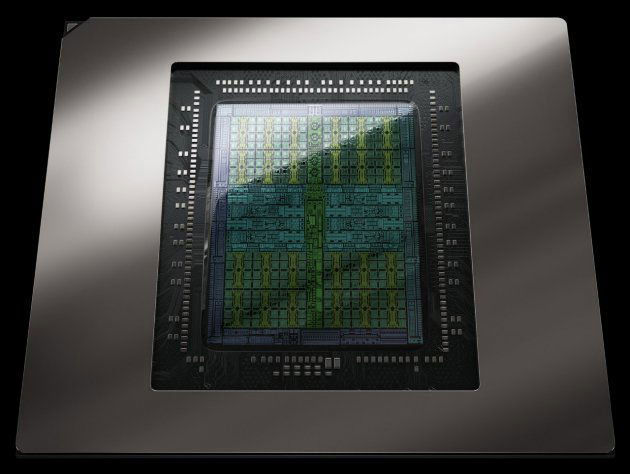
GeForce RTX 50 series graphics cards
The ultimate platform for gamers and creators
5th generation Tensor Cores
Maximum AI performance with FP4 and DLSS 4
New streaming multiprocessors
Optimised for neural shaders
4th generation RT Cores
Perfect for Mega Geometry

Cutting-edge GPUs
NVIDIA Blackwell architecture
AI-enhanced graphics and performance
NVIDIA DLSS 4 with Multi-Frame Generation
Game-winning responsiveness
NVIDIA Reflex 2 with Frame Warp
True-to-life graphics
Full ray tracing with neural rendering
Digital humans and AI assistants
NVIDIA ACE
Accelerate your creativity
NVIDIA Studio tools and technology for creators
AI-enhanced voice and video
NVIDIA Broadcast and 9th generation NVIDIA Encoder
Performance and reliability
NVIDIA App with Game Ready and Studio DriversSpecifications
Chip manufacturer
Model designation
Graphics processor
Chip architecture
Number of stream processors
Chip
Chip manufacturer
Model designation
Graphics processor
Chip architecture
Number of stream processors
Production technology
Performance & usage
Maximum
Game playing
Memory
Frequency
2,295 MHz
Core clock speed (Boost clock)
30,000 MHz (30 GHz)
Effective memory clock (bandwidth)
Interface
PCI Express x16 5.0
Bus interface
Technology
Cooling system
Dimensions
Width
Height
Depth
Consumption
AI
Total number of TOPS
More Specifications

ASUSTek COMPUTER INC. 1F.,No.15, Lide Rd., Beitou Dist., Taipei City 112 Tel: +886-2-2894-3447 Tel: +886-2-2890-7798 https://gr.asus.com/ProductSafety ASUS COMPUTER GmbH Harkortstrasse 21-23 40880 Ratingen Germany, Europe Email: [email protected]
ASUS COMPUTER GmbH, Harkortstrasse 21-23, 40880 Ratingen, Germany, Europe, [email protected]
ASUS is a symbol of the growth of Taiwan's economy. The firm's beginnings date back to April 2, 1989, when as a small manufacturer of motherboards began his work with a few employees. Today, Asus employs more than 12,500 employees worldwide.
ASUS products can be found in almost every category of the information technology marketplace. ASUS is focused on desktops, laptops, phones, optical drives and components. In the manufacture of motherboards, the company is now the dominant player with a staggering 40% market share.
Note:
Specifications can be changed without notice. Images are for illustrative purposes only.
More Information