


Monitors
Čo je P-OLED displej?
P-OLED displeje využívajú plastový podklad, vďaka ktorému môžu byť ohybné. Plastový podklad ale využívajú aj displeje, ktoré nie sú P-OLED, a toto označenie navyše používa len jeden výrobca. Čo teda P-OLED v skutočnosti je a ako sa líši napríklad od technológie AMOLED?
Technologické limity prenosných počítačov | Mobilná revolúcia
Určite si ešte pamätáte staré krabicové monitory, ktoré zaberali polovicu pracovného stola, boli ťažké a spotrebou sa vyrovnali celému počítaču. Navrhnúť notebook s týmto typom panelu bolo nemysliteľné, preto sa skúmali iné možnosti zobrazovania obrazu. Ako sme sa dostali od mrkvy k dnešným plochým obrazovkám sa dočítate v nasledujúcom článku.
Maximum brightness
The maximum brightness of a monitor, often quoted in units of candelas per square metre (cd/m2), refers to the maximum luminance the monitor can produce. Higher values mean that the monitor is capable of producing a brighter image, which is advantageous in brightly lit environments.
Direct LED: Čo to je a ako funguje?
Direct LED je jednou z technológií podsvietenia obrazu, ktorú využívajú LED televízory. V čom spočíva, aké má výhody a nevýhody a ako sa odlišuje od RGB LED alebo Edge LED?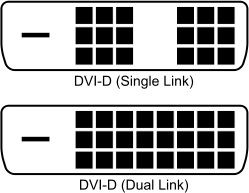
Dual-link DVI vs. Single-link DVI
In addition to the fact that DVI can be adapted to transmit a purely digital DVI-D signal or a combination of analog and digital DVI-I, there are two different versions that differ in data throughput. The original version is called single-link, and you can get by with it on all Full HD monitors at the standard 60Hz refresh rate. The dual-link version doubles the bandwidth and can be used for resolutions such as 2,560 × 1,440 at 60 Hz.

American Wire Gauge (AWG)
Jednotka American Wire Gauge (AWG) vznikla už v devätnástom storočí a je istou obdobou palcových mier. V Európe ju nepoznáme, ale za oceánom sa stále hojne používa.
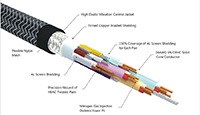
Tienenie kábla
Tienenie kábla slúži ako „filter“ nežiaduceho šumu. Šum sa môže prejavovať zhoršenou kvalitou obrazového, zvukového alebo dátového výstupu. Proti rušeniu je vybavený aj celý rad napájacích káblov (spravidla ferritový valček pri konektory), pri ktorých ide však skôr o určitú poistku. Väčšina koncových zariadení, napríklad notebookov, obsahuje ešte priamo vo svojom tele kondenzátory, ktoré majú na starosť práve filtráciu napätia.
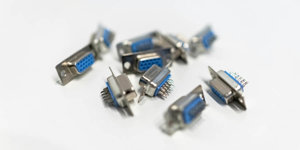
Čo je analógový výstup?
Viete, čo je analógový výstup, na čo slúži a aké sú hlavné rozdiely medzi analógovým a digitálnym výstupom? Máme pre vás článok, ktorý aj úplnému počítačovému laikovi prehľadne vysvetlí, ako analógový výstup funguje. Začnime jednoduchou skúšobnou otázkou. Čo znamená skratka VGA? VGA je štandard pre zobrazovanie grafiky na počítačovom monitore. Prvýkrát ho použila spoločnosť IBM už v roku 1987.
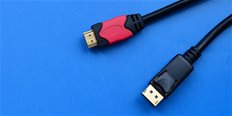
Čo je HDMI?
HDMI (High Definition Multimedia Interface) je dnes najpoužívanejší digitálny štandard na prenos videa, audia i internetu. Veľmi často sa využíva na pripojenie televízorov, monitorov alebo projektorov k multimediálnemu zariadeniu. Vďaka jeho rozšírenosti a všestrannosti existujú rôzne verzie a tvary konektora. Viac v článku.
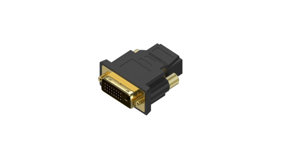
Čo je DVI?
Rozhranie DVI (Digital Visual Interface) slúži na prepojenie monitora s počítačom a zvládne prenášať analógový aj digitálny signál. Konektor, vrátane redukcií na spätnú kompatibilitu, existuje v rôznych variantoch. Rozhranie DVI je stále rozšírené, hoci ide o staršiu technológiu, ktorá už pomaly ustupuje. Čo je DVI? Aká je budúcnosť DVI? A aký je rozdiel medzi DVI-A, DVI-D a DVI-I? Odpovede nájdete v dnešnom článku.
Backlight bleeding
Backlight bleeding is a phenomenon seen in LCD monitors, which is characterized by uneven backlight illumination, especially in dark scenes with minimal ambient illumination. It occurs mainly in IPS panels around the corners or edges. Sometimes this is called IPS glow or light bleeding.
Colour model
A colour model is a colour space that uses the basic colours and blends them into the resulting colour.
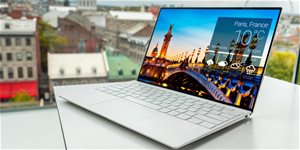
Anti-reflective Display
Antireflexní displej je displej s povrchovou úpravou, která má zabránit odrazům okolního světla. Jak se ale liší od matného displeje, už nemusí být tak zřejmé. V tomto článku vám to vysvětlíme.
TV tuner
A TV tuner (or television tuner) is a component that receives and decodes television broadcasts. With the tuner, you can display individual TV programs on a TV, monitor, or other devices. TV tuners are divided by the type of TV reception they can receive:
1) DVB-T / T2 - tuner for receiving digital terrestrial (aerial) television broadcasts
2) DVB-S / S2 - tuner for receiving satellite TV
3) DVB-C - tuner for receiving cable TV broadcasting
G-Sync a FreeSync
Some game monitors feature G-Sync or FreeSync. Both are used to sync the monitor's refresh rate with the graphics card, thus enhancing image smoothness while playing games. While G-Sync is compatible with selected NVIDIA, FreeSync is compatible with selected AMD graphics cards.
Viewing angle
The viewing angle is the maximum angle from which you can still see the image on the monitor without changing the colour or contrast. Larger the viewing angles are better. The size of the viewing angle is directly related to the monitor panel type. While IPS and S-IPS monitors have the largest viewing angles (up to 178 degrees), PVA and MVA screens are a bit worse. TN monitors have the lowest viewing angles out of all of the monitor types.
Monitor Resolution
This specifies the number of pixels that a monitor can draw, horizontally and vertically. In general, the higher the maximum resolution a monitor has, the more detailed the image will be and the larger the work or game area can be. The standard of today's monitors is to have Full HD resolution (1920×1080 pixels).
Screen Size
The screen size is determined by the distance between the bottom left corner of the monitor and the top right. It is given in inches: one inch is 2.54cm.
Refresh Rate
The refresh rate is how many images a monitor can diplay in one second. It is given in Hz, and generally, the higher the refresh rate, the smoother the picture. A higher refresh rate puts less strain on the eye. You will most likely encounter a 60-75Hz refresh rate, with gaming monitors reaching up to 200Hz.
Low Blue Light
Low Blue Light technology (also known as BlueLightFilter) reduces the harmful blue light spectrum, eye strain and fatigue.